Tag Archive for: Mindset

For a long time, I thought consistency meant winning more trades. More green days. Fewer red ones. If I could just improve my hit rate, everything else would take care of itself.

That isn’t what changed my results.

What changed everything was learning how to lose.

Not avoiding losses. Not trying to eliminate them. But controlling how much damage they were allowed to do.

Losses are part of the job. Every strategy has them. Every trader experiences them. The difference isn’t whether you lose. It’s how expensive those losses become.

Early on, my losing days were messy. One loss turned into two. Two turned into “just one more.” By the end of the session, the damage had very little to do with the original setup.

The trades weren’t the problem.

My reaction to them was.

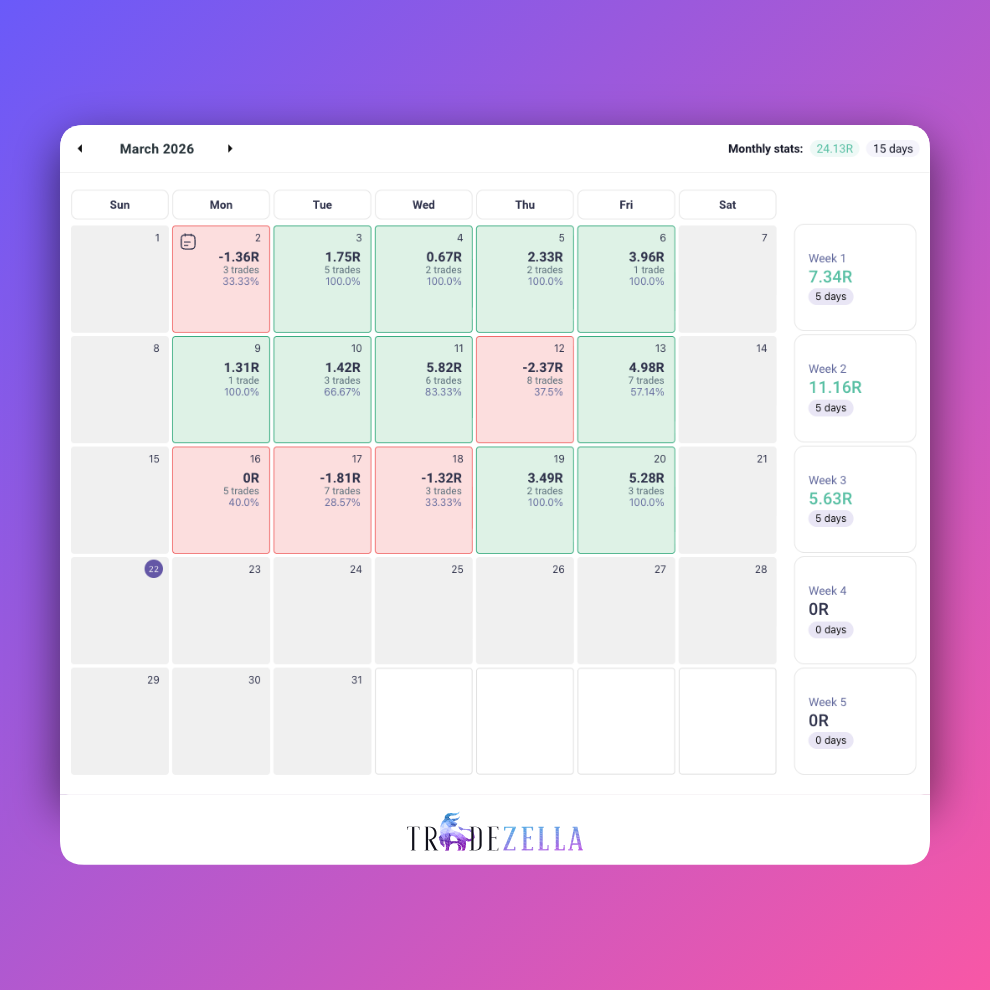
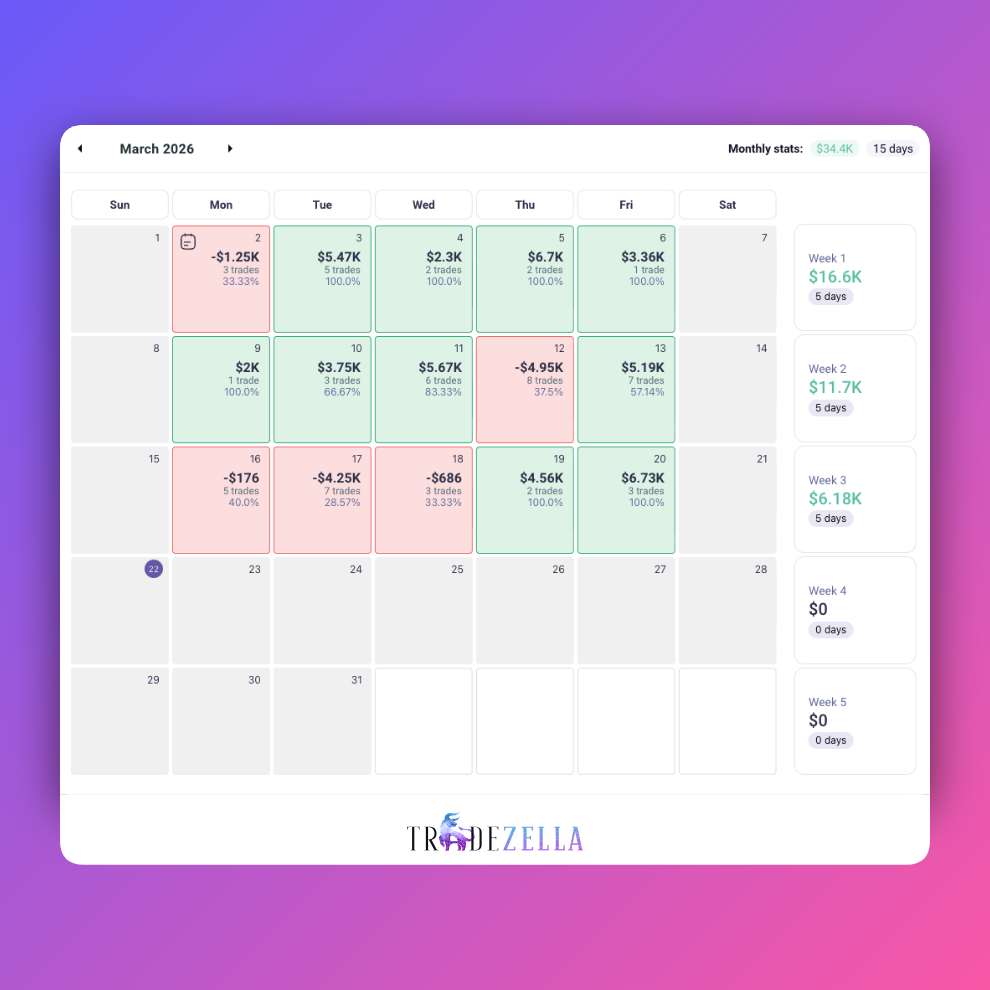
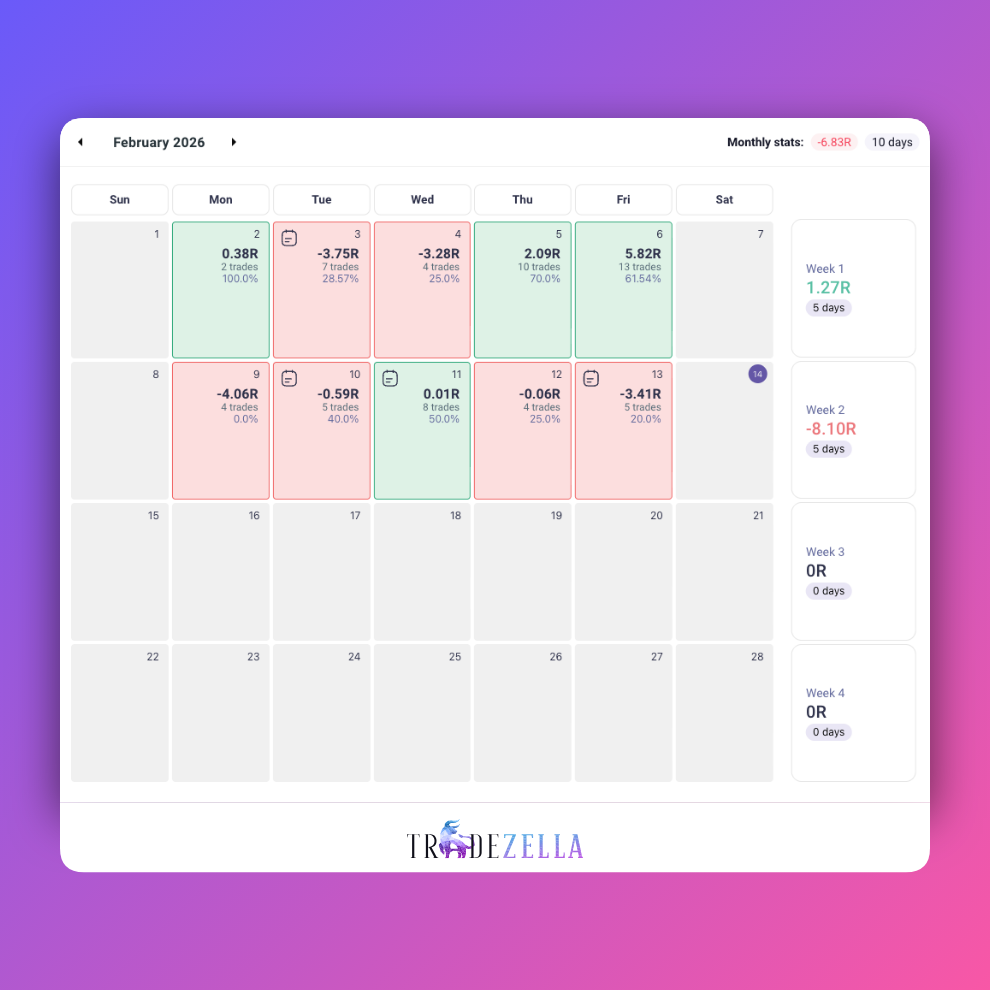
When I reviewed my journal, a pattern stood out. My best weeks didn’t have fewer losses. They had smaller ones. Cleaner ones. Losses that stopped where they were supposed to stop.

That observation reframed everything.

The moment I accepted that losing is unavoidable, my focus shifted. Away from how do I win more, and toward how do I protect myself when I’m wrong. That single question changed my behaviour.

I started predefining risk before every trade. Not as a suggestion, but as a boundary. I knew exactly what a mistake could cost me, and I accepted it in advance.

I also learned to stop trading after bad sequences. Not because the market was broken, but because I was. Two losses in a row didn’t mean my edge had disappeared. It meant my decision-making was under pressure.

That distinction mattered.

Losing better looks boring. Smaller size. Fewer attempts. Earlier stops. It doesn’t feel heroic. There’s nothing exciting about walking away after a controlled loss.

But it compounds.

A bad day becomes manageable. A bad week becomes survivable. A bad month no longer threatens to undo everything that came before it.

Consistency isn’t built on your best days. It’s built on the days where things don’t work. How you behave when you’re wrong is the real edge.

I still have losing days. Plenty of them. The difference now is that they don’t spill over. They don’t leak into tomorrow.

Winning more is nice. Losing better is necessary. And once you get that part right, consistency tends to follow.

For a long time, I believed my edge would come from better charts. Cleaner levels. Tighter entries. More confluence. If I refined the technicals enough, consistency would follow.

What actually changed my trading wasn’t on the chart at all.

I started journaling properly when I realised I was making the same mistakes across different markets. Different instruments. Different days. The outcomes kept repeating.

The chart had changed but my behaviour hadn’t.

The chart had changed but my behaviour hadn’t.

At first, my journal was basic. Entry. Stop. Target. Result. It was useful, but shallow. It told me what happened, not why it happened.

The real shift came when I started writing how the trade felt.

Not emotions in a dramatic sense. Just simple observations. Rushed. Hesitant. Confident but distracted. Forcing it. Nothing profound on its own, but over time, patterns emerged.

I noticed something uncomfortable. Many of my worst trades looked fine technically. Structure was there. Levels made sense. On paper, they were valid.

My state wasn’t.

I was taking trades when I was bored. Or slightly annoyed. Or trying to make the session feel productive. None of that shows up on a chart.

The journal also revealed something unexpected. My best trades were quiet. No adrenaline. No urgency. Just execution. When a trade felt exciting, it was often because I was bending something without admitting it.

Over time, the journal became a mirror. Not of the market, but of me. It showed when I ignored my rules. When I sized up. When I traded after I should have stopped.

The chart never told me that story.

My best trades were quiet. No adrenaline. No urgency. Just execution.

One of the clearest lessons was this: most mistakes happen before the entry. In the mindset. In the intention. By the time I click buy or sell, the damage is often already done.

Now, some of my most important journal entries don’t include screenshots at all. They include sentences like trading to prove something, didn’t like the loss before this, should have stopped after the first win.

The journal taught me what no indicator ever could. That consistency isn’t about being right more often. It’s about recognising yourself in real time.

Charts are objective. They don’t lie. But they’re also incomplete.

The journal fills in the missing half. The human half.

If I could only keep one tool as a trader, it wouldn’t be a strategy or an indicator. It would be the journal.

The market keeps changing. My patterns repeat.

I used to think the hard part of trading was finding good entries.

It isn’t.

The hardest part is knowing when to stop.

Most of my worst trading days didn’t start badly. They started fine. A clean first trade. Sometimes even a small win. Enough to feel engaged, alert, involved.

And then that quiet thought appears.

There’s probably another one.

Sometimes the trigger is a loss. You feel sharp, focused, convinced you can get it back. Other times it’s a win. Confidence creeps in. You feel aligned with the market, like you’ve found the rhythm.

Both states are dangerous.

The market doesn’t know how your day is going. It doesn’t care if you’re up, down, or flat. Every trade is a new decision, but your state of mind carries forward whether you want it to or not.

What I eventually realised is this: stopping isn’t about discipline. It’s about self-awareness.

The real question isn’t whether another setup exists. It’s whether I’m still trading the plan, or trading the emotional residue of the last trade.

Some days I stop after one trade. Not because the day is “done,” but because I am. Focus softens. Patience shortens. I start justifying trades that look acceptable rather than obvious.

That shift is subtle. And once it happens, it rarely reverses.

I still have clear rules for entries. But I also have rules for exiting the day. Daily loss limits. Maximum number of trades. And one rule that’s harder to quantify but easier to feel.

My emotional tone.

If I feel rushed, reactive, or slightly irritated, I’m finished. Even if the chart still looks clean. Especially if it does.

That’s the uncomfortable truth most traders avoid. Overtrading usually doesn’t come from desperation alone. It comes after we’ve already had enough. Enough information. Enough opportunity. Enough exposure.

We just don’t want to admit it.

The best traders I know don’t trade more. They trade less. They treat mental capital as something that can be depleted, not ignored. Protecting it matters more than squeezing another trade out of the session.

Some of my most profitable weeks include days where I stopped before noon. No revenge trades. No boredom trades. No “just one more” because price happened to be moving.

Walking away early never feels productive. It feels unfinished. Like leaving something on the table.

But trading isn’t about finishing the day. It’s about returning tomorrow with clarity intact.

Knowing when you’re done for the day won’t show up on a chart. There’s no indicator for it. But it’s one of the few skills in trading that compounds quietly, day after day.

And once you learn it, everything else gets easier.

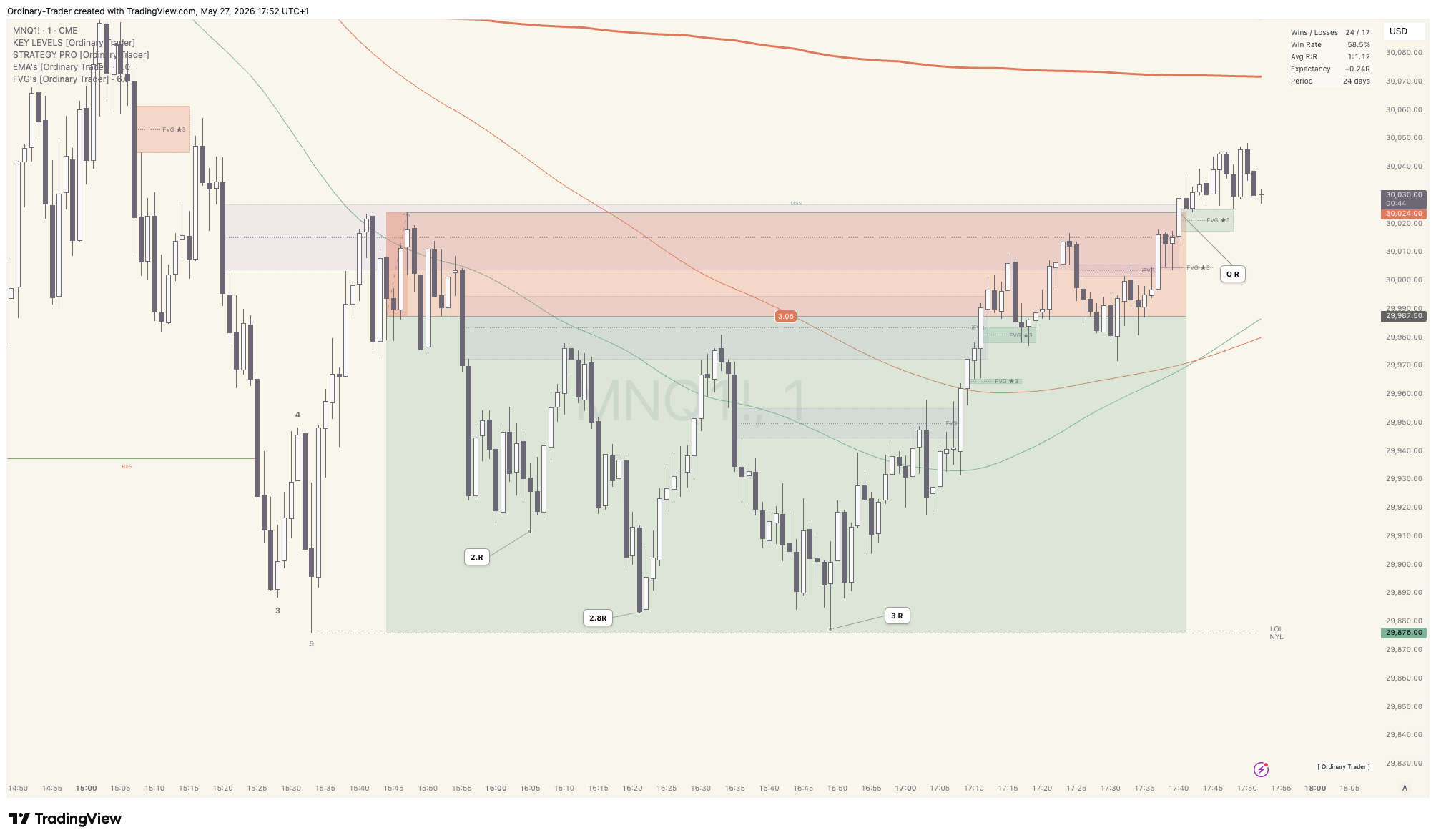
Crude oil, mid-afternoon into the New York session.

The higher-timeframe picture had already shifted. After a sustained downtrend, price showed a clear change of character and then a break of structure back to the upside. The bias was no longer the question.

Execution was.

I’d already had a win earlier in the session on a similar-looking long. That mattered more than I wanted it to. Confidence was up, but so was the temptation to assume the next trade would behave the same way.

As price pulled back, I was watching two things closely. A bearish M15 fair value gap above, likely to cause early resistance and chop. And deeper liquidity and SNDR zones closer to the 78.6 retracement, which is where I initially expected price to go.

It didn’t.

Instead, price flipped cleanly at the 61.8. The reaction was decisive. We had inversion of a fair value gap, followed by the creation of new bullish imbalance. The entry was there, even if it wasn’t the one I’d mentally rehearsed.

So I took it.

Early on, the trade behaved exactly as expected. Some hesitation. Sideways action into the M15 fair value gap. Nothing smooth, nothing impulsive. I trailed my stop as structure allowed, keeping it logical, not aggressive.

There was a moment where price pushed deep into that M15 imbalance and looked like it might stall completely. I considered taking profit early. It would have been less than one R, and that’s where the internal debate started.

Technically, banking something would have felt good. Emotionally, it would have been comfortable. But it would also have broken a rule I’ve set deliberately: no profit-taking below minimum expectancy unless it’s earned via structure-based stop management.

So I did nothing.

I moved the stop to break-even, not because I was afraid, but because structure justified it.

Eventually, the M15 fair value gap broke. That mattered. It changed the context of the trade, not just the open P&L. I moved the stop to break-even, not because I was afraid, but because structure justified it.

Targets were still ahead.

My first target was set just under a five-minute fair value gap that had the potential to act as resistance that late in the move. Only after the trade was live did I realise that target also sat just above the New York high. An obvious magnet. Possibly an obvious rejection point.

I let it play out.

When price traded into that level and TP1 was hit, the management became simpler. Stop to break-even. No decisions left to negotiate with myself. When the five-minute fair value gap inverted, I trailed the stop again, just beneath the new structure.

From there, the trade did the rest of the work.

The lesson here isn’t about entries or setups. It’s about restraint once the trade is on.

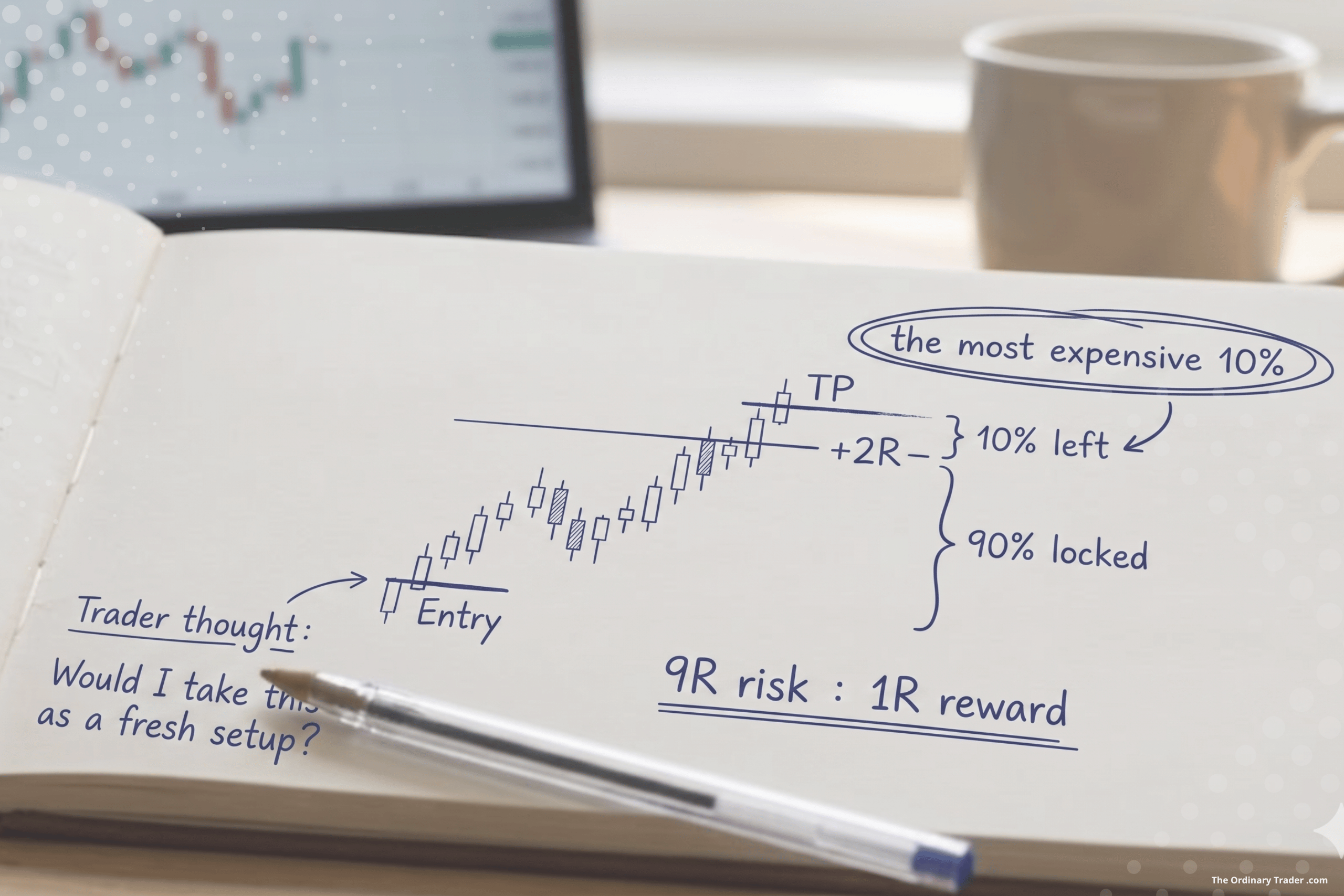
Most mistakes don’t come from bad analysis. They come from trying to improve a trade that’s already working.

Most mistakes don’t come from bad analysis. They come from trying to improve a trade that’s already working. Taking profits because something feels obvious. Adjusting stops because price pauses. Optimising for emotional relief instead of following the plan through.

This trade worked because I stayed aligned with my rules even when the market gave me reasons not to. Earlier confidence didn’t turn into overreach. Late-session hesitation didn’t turn into fear-based exits.

The takeaway is simple.

If the trade plan still makes sense, and structure hasn’t changed, the most disciplined action is often to stop managing and start observing. Let the market decide how far it wants to go.

Friday evening, platinum, around 7–8pm UK time.

It was the second time price had traded back into the same zone. I almost ignored it out of habit. I rarely take a second trade from the same level.

But this one looked different.

Price pushed back down into the zone with intent, swept liquidity deeper than before, then failed to make a new low. On the lower timeframes, bullish fair value gaps began to form. The reaction was clean. Controlled. It didn’t feel random.

So I took it.

Because it was a second opportunity from the same zone, I sized the expectations differently. I didn’t think it would have the same energy as the first move. Less gas. Less conviction. That assumption shaped everything that followed.

I managed the trade with a tight trailing stop almost immediately.

Part of that came from context. It was late on a Friday. Markets were approaching the close. Time left in the trade mattered. I didn’t want to give much back, especially if liquidity thinned and price turned erratic.

But part of it was something else.

After entry, I noticed the bearish candles were larger and more impulsive than the bullish ones. When price pushed against my position, it did so with more force than when it moved in my favour. That imbalance stuck in my head. It felt like pressure. Like a warning.

So I kept tightening the stop.

The trade worked. It was a winner.

It just didn’t do what it was capable of doing.

Price continued higher after I was taken out, moving cleanly through areas I’d originally mapped. Nothing invalidated the idea. Nothing structurally changed. I was right on direction and location.

I just didn’t stay in the trade long enough to let it express itself.

The lesson isn’t about trailing stops being bad. It’s about when they’re appropriate and why they’re being used.

On lower timeframes, structure often invites tighter management. It makes sense intellectually. You see micro higher lows, small pullbacks, clean continuation. It feels disciplined to lock things down quickly.

But discipline isn’t the same as fear dressed up as precision.

I was managing risk based on assumptions I hadn’t fully tested.

In this case, I was managing risk based on assumptions I hadn’t fully tested. That a second trade from the same zone should underperform. That late Friday trades need to be protected aggressively. That stronger bearish candles automatically reduce the validity of a long.

None of those are rules in my plan. They’re interpretations layered on top of it, in real time, under subtle pressure.

The irony is that the strategy worked exactly as designed. The location held. The sweep mattered. The failure to make a new low mattered. The bullish fair value gaps mattered.

What didn’t work was my willingness to accept a normal pullback in exchange for the full move.

Trailing stops are powerful when they’re used deliberately. They’re dangerous when they’re used reactively.

Especially late in the week, when time becomes part of the decision-making, it’s easy to start optimising for comfort instead of expectancy. You tell yourself you’re being prudent, when really you’re trying to avoid the feeling of watching unrealised profit retrace.

That’s not a moral failing. It’s just something to be aware of.

The real adjustment here isn’t mechanical. It’s situational.

Second trades from the same zone don’t automatically deserve tighter managemen

Second trades from the same zone don’t automatically deserve tighter management. Late Friday trades don’t automatically require fear-based exits. And lower timeframe structure doesn’t override higher timeframe intent.

If the plan calls for allowing a pullback, then the pullback has to be allowed. Otherwise the trade is never really being tested.

The simple takeaway I’m carrying forward is this:

If I’ve trusted the location and taken the trade, I need to be just as intentional about how I manage it as I was about why I entered. Tight stops should be a decision, not a reflex.

Sometimes the hardest part of trading isn’t getting in.

It’s staying in long enough to let being right actually matter.