Burnout, screen fatigue, and knowing when not to trade
The loss that has nothing to do with the chart
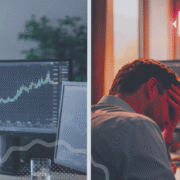
The worst trades I have taken were not bad setups. They were good setups, taken on bad days. The signal was clean. The structure was there. The problem was the person reading it. Tired, flat, already three hours deep into a screen, looking for something to happen because sitting still felt like falling behind. That is not a trading mistake in the usual sense. It is a fatigue mistake wearing a trading costume.
For a long time I did not see it. A red day got filed under “the market was choppy” or “my entry was early.” Sometimes that was true. But often the real cause sat further upstream, in how I had slept, how long I had been staring, and whether I had any business being at the desk at all.
Real discipline includes the decision not to play.
Burnout does not arrive, it accumulates
Trading burnout is not a single dramatic moment. There is no alarm. It builds quietly, one slightly-too-long session at a time, until the screen stops being a tool and starts being a habit you cannot put down. The early signs are easy to talk yourself out of. You read the same candle five times and still could not say what it is telling you. You feel a small flare of irritation when price does not do what you wanted. You take a trade and feel relief rather than calm, because at least now something is happening. None of these are about the market. All of them are about you.
Screen fatigue compounds it. Hours of watching small movements narrows your view until the five-minute chart feels like the whole world. The longer you sit, the more reasonable a marginal setup starts to look, because your brain wants a reason to justify the time already spent. That is the trap. The cost of the seat makes you more likely to fill it badly.
The tells, named honestly
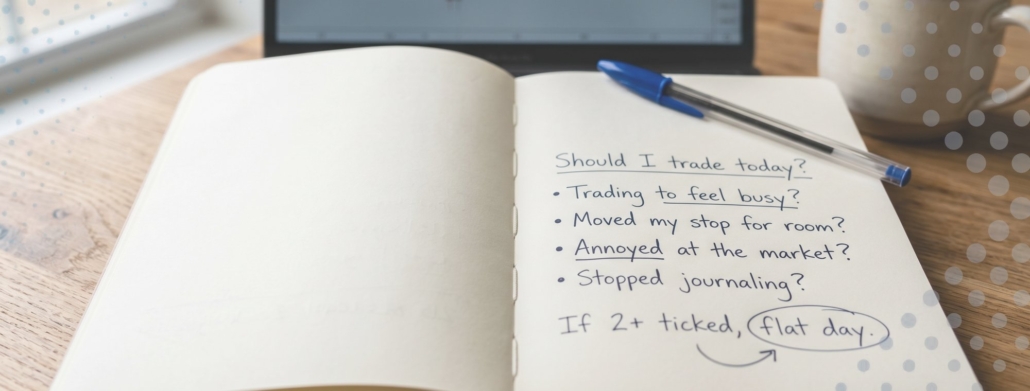
It helped me to write the signs down, plainly, so I could not pretend not to notice them. I am trading to feel productive rather than because the setup is there. I have moved my stop “just to give it room.” I am annoyed at the market, as if it owes me. I have stopped journaling because I do not want to see what is in there. I am refreshing the chart on my phone between other things. I cannot remember the last time I stepped away from the screen and felt fine about it.
Any one of these on its own is normal. Two or three stacked together is a signal, and it is a louder signal than most of the ones I draw on the chart. It says the edge today is not in the market. It is in not trading the market.
Stepping away is a skill, not a weakness
There is a quiet belief in trading culture that the serious people are the ones always at the desk. More screen time, more hours, more grinding. It sounds like discipline. Often it is the opposite. Real discipline includes the decision not to play. A professional in almost any precise craft knows that working tired produces worse work, and worse work in trading is not just unproductive, it is expensive. Stepping away on a bad day is not laziness or fear. It is risk management applied to the one variable nobody likes to admit is variable: yourself.
The hard part is that the decision has to be made before you sit down, not after the first loss. Once you are in the chair, fatigued and looking for action, you are the last person who should be deciding whether you are fit to trade.
So the question to ask before the session is not “what is the market doing.” It is “should I be here at all.”
Build the rule before you need it
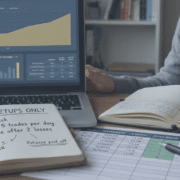
This is where having something written down earns its place. I use the Daily Trading Planner to set the conditions of the day before the market gives me a reason to bend them. Risk limit, profit target, maximum number of trades, and the point at which I stop, full stop. Defined in the calm before, not the heat of during.
The planner is not really about the numbers. It is about removing the decision from the tired version of me. If the rule says two losses and I am done, then a third trade is not a judgement call I get to relitigate at the desk. It is already settled. The same goes for the days I should not start at all. A short pre-session check, an honest read of how I actually feel, and the permission, written in advance, to close the laptop and call it a flat day.
A flat day is not a wasted day. It is a protected account and a clearer head tomorrow. Over a year, the days I talked myself out of trading have saved me more than most of the days I traded well.
The quiet version of professional
None of this is dramatic. There is no breakthrough, no transformation. Just a slightly more honest relationship with my own state, and a rule that holds when I cannot. The market will be there tomorrow. It is open more hours than any person can sensibly trade, and it does not reward attendance. It rewards the trades you take well and punishes the ones you take tired. Knowing the difference, and being willing to act on it, is not a soft skill around the edges of trading. On a lot of days, it is the whole game.
So the question to ask before the session is not “what is the market doing.” It is “should I be here at all.” Some days the most disciplined thing on the screen is the decision to turn it off.
Trade well. Stay ordinary.