What the new NASDAQ 23-hour trading means for your routine
Nasdaq confirmed it this week. From 6 December, subject to SEC approval, the exchange will run an overnight session from 9pm to 4am ET, stretching its trading day to nearly 23 hours. NYSE already has approval for a 22-hour day. The direction of travel is clear: the market that never sleeps is getting closer.
For most retail traders, the coverage will present this as good news. More hours, more access, more opportunity. And some of that framing is fair – international traders who have historically been priced out of US hours will have a genuine window that works for them. That matters.
But if you’re already trading the regular session, or the pre-market, or the NQ overnight, this announcement probably lands differently. Not as opportunity. As temptation.
The always-on problem
There’s something worth being honest about here: the pull of extended hours isn’t really about the trading. It’s about the feeling that you might be missing something. That the market is moving and you’re not in it.
That feeling isn’t strategy. It’s FOMO with a trading account attached.
NQ futures have traded nearly around the clock for years. The London open, the Asian session, the overnight range – these are all accessible right now, to anyone with a futures account. Most retail traders don’t trade all of them. Not because they can’t. Because they’ve learned – usually the hard way – that more sessions means more exposure to noise, more decisions made in low-liquidity conditions, and more opportunity to undo whatever the regular session produced.
The extension to equities doesn’t change that dynamic. If anything, it amplifies it.
There’s something worth being honest about here: the pull of extended hours isn’t really about the trading. It’s about the feeling that you might be missing something. That the market is moving and you’re not in it.
What the hours actually demand
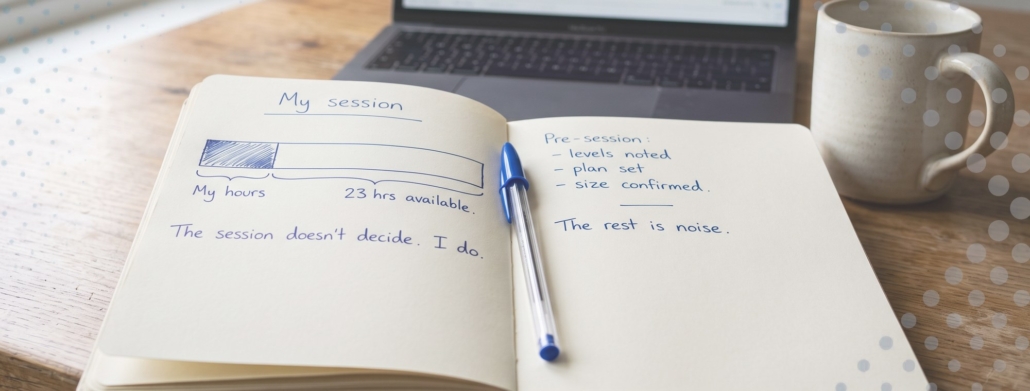
Trading a session properly takes preparation. A pre-session review. A clear understanding of where price is, what the relevant levels are, what the plan looks like if conditions are met and what it looks like if they’re not. Then the execution. Then the post-session review.
Do that for one session and it’s a full job. Do it for two and you’re starting to compromise the quality of both. Try to be present for all of them across a 23-hour window and something breaks – sleep, preparation, or the discipline that holds the whole process together.
The ordinary version of this is simpler than it sounds. Most retail traders who last in this game have a session. A specific window where their process is sharp, their preparation is solid, and their execution is at its best. They protect that window. They don’t expand it. They deepen it.
Sleep is the unsexy edge
Nasdaq’s overnight session runs 9pm to 4am ET. For UK traders, that’s 2am to 9am. For the retail trader sitting in Manchester or Edinburgh, trading the overnight session on equities means giving up sleep to be in a market that hasn’t existed before, with unknown liquidity, at hours when their decision-making is compromised.
The research on sleep and cognitive performance is consistent enough that it doesn’t need relitigating here. Tired traders make worse decisions. Worse entries, worse exits, worse risk management. The edge you think you’re picking up from being in the market at 3am is usually being paid for by the mistakes you make at 9am.
This isn’t about being cautious. It’s about being realistic. A trader who sleeps, prepares well, and executes cleanly in one session will outperform one who’s present for all of them.
Tired traders make worse decisions. Worse entries, worse exits, worse risk management.
Your session is the one you do well
The thing about extended hours is that they make every hour feel equally available. They don’t make every hour equally good. Liquidity, participation, and volatility patterns differ significantly between sessions. The characteristics of the overnight session on Nasdaq equities – how it behaves, who is trading it, what the spreads look like – will take months to understand. Maybe longer.
For traders already working on their regular session process, this isn’t the time to abandon what’s working in favour of chasing a new window. That’s not conservatism. It’s knowing that the edge you have is the one you’ve built, and you don’t get a second one for free.
The announcement from Nasdaq is interesting. It reflects where markets are going. It will matter for certain traders – particularly those in Asia or the Middle East for whom a 9pm to 4am ET window maps to something reasonable in their local time.
For the ordinary trader already in their routine, it’s probably noise.
The process doesn’t change
Whatever the exchange does with its hours, the core question stays the same: do you have a process, and are you executing it? More available hours doesn’t answer that. More preparation, more review, more honest assessment of what’s working – those do.
The temptation with every market development is to ask what it opens up. The better question is whether your current process is as good as it could be first.
December is still four months away. There’s time to watch, to understand the session’s characteristics as they emerge, and to make a considered decision later. There’s no edge in being early to a session that isn’t built yet.
Trade well. Stay ordinary.